Bimonthly recaps of water, plastic, and other Spring to the Tap related news!
Visit springtothetap.org/p/news.html for a rolling total and archives of all Springing Stories.
Unfortunately, the little water we have left isn't doing so hot either. A crew working for the EPA in Colorado triggered a massive spill of three million gallons of toxic mine wastewater down the Animas River on August 5th. The orange plume containing arsenic, lead, copper, aluminum and cadmium has now reached Utah and New Mexico according to reports. In the Pacific Ocean, the warmer-than-average waters have created ideal conditions for one of the largest toxic algae blooms scientists have ever seen. Stretching from California to Alaska, the "red tide" is up to 40 miles wide and 650 miles deep in places, and is already having dire effects on fisheries and ecosystems.
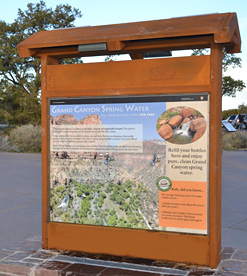
If that wasn't enough, New Jersey Governor and presidential candidate Chris Christie recently signed a law allowing cities in his state to sell off their municipal water systems to private companies without public approval. The desire to bypass a public vote makes sense because it would be tough to pass a measure allowing companies to profit from the human right to water as it has led to higher prices and lower quality service for residents across the country. But Christie isn't the only one catering to mega-corporations seeking control of our water. Ever since the waste-reducing act of banning bottled water caught on in National Parks across the country, Coca-Cola has been doing everything it can to fight the measures. Corporate interests recently succeeded, by convincing a member of congress to slip a last-minute amendment into the House spending bill barring the Parks Service from using federal money to support such bans. The National Parks Service responded by claiming it will find money elsewhere to support its sustainability initiatives.
On the west coast, the small town of Cascade Locks, Oregon is still awaiting decision on Oxbow Springs. Nestle is in the seventh year of a process aimed at gaining rights to bottle spring water currently owned by the Oregon Department of Fish and Wildlife used for an endangered salmon hatchery. The multinational company has been making runs at small community springs around the Pacific Northwest for years now, using its massive legal and monetary resources (promising opportunity and subtly smearing opposition) as leverage in economically-struggling cities.

If that wasn't enough, New Jersey Governor and presidential candidate Chris Christie recently signed a law allowing cities in his state to sell off their municipal water systems to private companies without public approval. The desire to bypass a public vote makes sense because it would be tough to pass a measure allowing companies to profit from the human right to water as it has led to higher prices and lower quality service for residents across the country. But Christie isn't the only one catering to mega-corporations seeking control of our water. Ever since the waste-reducing act of banning bottled water caught on in National Parks across the country, Coca-Cola has been doing everything it can to fight the measures. Corporate interests recently succeeded, by convincing a member of congress to slip a last-minute amendment into the House spending bill barring the Parks Service from using federal money to support such bans. The National Parks Service responded by claiming it will find money elsewhere to support its sustainability initiatives.
On the west coast, the small town of Cascade Locks, Oregon is still awaiting decision on Oxbow Springs. Nestle is in the seventh year of a process aimed at gaining rights to bottle spring water currently owned by the Oregon Department of Fish and Wildlife used for an endangered salmon hatchery. The multinational company has been making runs at small community springs around the Pacific Northwest for years now, using its massive legal and monetary resources (promising opportunity and subtly smearing opposition) as leverage in economically-struggling cities.
Your top three water-related stories to read for July and August are below. Also be sure to follow those linked above and a visit our rolling total of all news articles now available at springtothetap.org/p/news.html.
August 5th, The Point of No Return: Climate Change Nightmares Are Already Here - Rolling Stone
The worst predicted impacts of climate change are starting to happen — and much faster than climate scientists expected.
July 28th, Warm water killing half of Columbia River sockeye salmon- Register-Guard
More than a quarter million sockeye salmon returning from the ocean to spawn are either dead or dying in the Columbia River and its tributaries due to warming water temperatures.
July 8th, We don’t trust drinking fountains anymore, and that’s bad for our health - Washington Post
Fountains were once a revered feature of urban life, a celebration of the tremendous technological and political capital it takes to provide clean drinking water to a community. Today, they’re in crisis.